

Ethical baby shopping: Safe, sustainable choices
, by Hello Charlie, 15 min reading time
Discover what is ethical baby shopping! Choose safe, sustainable products that nurture your child and the planet. Learn to shop with genuine intent.
, by Hello Charlie, 15 min reading time
Australian parents are increasingly aware that what surrounds a baby matters as much as what they eat. Prenatal phthalate exposure — from plastics and fragrances in everyday products — has been linked to measurable increases in child internalising problems through maternal oxidative stress, with one Australian study finding a 0.22 standard deviation increase per interquartile range of phthalate mixture. Yet many parents assume that grabbing anything labelled “eco-friendly” or “natural” off a shelf automatically protects their baby. The reality is far more layered. This guide breaks down how to shop with genuine ethical intent, from decoding certifications to cutting waste and choosing genuinely non-toxic essentials.
| Point | Details |
|---|---|
| Check certifications | Verifiable certifications are your best guide to genuinely ethical baby purchases. |
| Prioritise non-toxic essentials | Choose products proven to avoid harmful chemicals for better child health outcomes. |
| Choose local and reusable | Local Australian brands and durable items cut waste and support sustainability. |
| Beware vague eco claims | Always confirm environmental claims with audited credentials before buying. |
Ethical baby shopping goes well beyond picking products in green packaging. At its core, it means choosing items that prioritise your child’s health and the planet’s future, in equal measure. These two priorities are not in tension — they reinforce each other when you approach shopping with real intention.
Many parents start with the instinct to buy “natural” products, and that instinct is sound. But the word “natural” carries no legal weight in Australia. A product can market itself as natural while containing synthetic preservatives, artificial fragrances, or materials sourced through exploitative labour. That’s a problem when you’re trying to do right by your baby and by the environment.
Ethical shopping, properly understood, involves four interconnected commitments:
Greenwashing is the practice where brands use vague environmental language to appear ethical without substantive evidence. You’ve likely seen it: phrases like “eco-conscious,” “green,” or “planet-friendly” splashed across packaging without any certification or third-party audit to back them up. The best antidote is developing a sharp eye for credible certifications.
“The most important step in ethical shopping is distinguishing genuine accountability from clever marketing. Ask not just what is on the label, but who verified it.”
Certifications like B Corp (which assesses a company’s entire social and environmental performance, not just one product) and GOTS (Global Organic Textile Standard, which governs the full textile supply chain from farm to finished fabric) are meaningful because they require rigorous, ongoing audits. They’re not purchased once and forgotten. These certifications signal that a brand is continually held to a standard.
When you explore toxin free baby products and compare them against mainstream alternatives, the difference often comes down to supply chain discipline. And when you’re building your baby’s world, that discipline matters enormously. If you’re looking for a practical starting point, a well-considered sustainable baby essentials checklist can help you work through what to prioritise first.
Now that we’ve defined ethics, let’s examine how you can reliably identify ethical products on Australian shelves.
The landscape of baby product certifications can feel overwhelming. Here’s a simple comparison to help you evaluate what you’re seeing:
| Certification | What it covers | Requires audit? |
|---|---|---|
| B Corp | Company-wide social and environmental performance | Yes, ongoing |
| GOTS | Organic textile production, full supply chain | Yes, annual |
| OEKO-TEX Standard 100 | Harmful substance testing in textiles | Yes, per product |
| USDA Organic | Agricultural inputs in products | Yes, certified body |
| “Eco-friendly” (no cert) | Nothing specific | No |
| “Natural” (no cert) | Nothing specific | No |
The bottom row is the crux of the problem. Unverified claims cost a brand nothing to make and mean nothing to you as a shopper. Verified certifications, on the other hand, represent real money, real audits, and real accountability.
Here’s a practical process for vetting a baby product before you buy:
Pro Tip: When you find a brand you trust, explore their full range rather than cherry-picking individual products. Genuinely ethical brands tend to apply the same standards consistently across everything they make. Inconsistency is a red flag.
Avoiding greenwashing requires you to demand third-party proof, focus on full supply chain ethics rather than front-of-pack claims, and favour durable items that reduce your long-term waste and cost. Browsing categories of plant-based baby products can give you a feel for what genuinely clean formulations look like, so the contrast with misleading alternatives becomes obvious. When you explore eco-friendly baby options, you start to recognise the consistency of approach that separates real ethical brands from imitations.
Identification is vital, but safety is paramount — here’s how to ensure your choices are safe for your family.
Phthalates are perhaps the most well-documented chemical concern in the baby product space. These compounds are used to make plastics more flexible and are found in a wide range of products, from soft plastic teethers and vinyl bath toys to fragranced lotions and disposable nappies. The Barwon Infant Study, one of Australia’s most significant longitudinal cohort studies, found that prenatal phthalate exposure poses neurodevelopmental risks for children, underscoring why non-toxic products should be a priority from before birth.
Here’s a quick breakdown of common product categories and what to look for:
| Product type | Common chemical concern | Safer alternative |
|---|---|---|
| Disposable nappies | Dioxins, fragrance, SAP gels | Certified compostable nappies |
| Baby wipes | Preservatives, synthetic fragrance | Water-based, fragrance-free wipes |
| Soft plastic toys | Phthalates, BPA | Natural rubber or untreated wood |
| Baby skincare | Parabens, mineral oil | Certified organic plant-based formulas |
| Feeding tools | BPA, phthalates in plastic | Stainless steel, glass, or food-grade silicone |
The key with each of these categories is to look for independent verification, not manufacturer assurances. A brand telling you their product is “BPA-free” is a starting point, not a finish line. BPA-free plastics often substitute other bisphenols that carry similar concerns. The most confident choice in feeding tools and toys is to move away from plastic where possible.
Here are the key product swaps that give you the most safety benefit per change:
“The body of Australian evidence is growing. Minimising phthalate and synthetic chemical exposure during pregnancy and early infancy is one of the most practical steps parents can take for long-term child health.”
The non-toxic feeding guide is a helpful resource for navigating the specific choices around mealtimes, where chemical exposure through direct contact with food is a real consideration. For a broader look at managing toxin exposure across all product categories, the principles of safer toxin-free parenting offer practical, Australia-focused guidance that aligns with the current evidence base.
Having secured safety, let’s focus on reducing environmental impact and supporting our community.
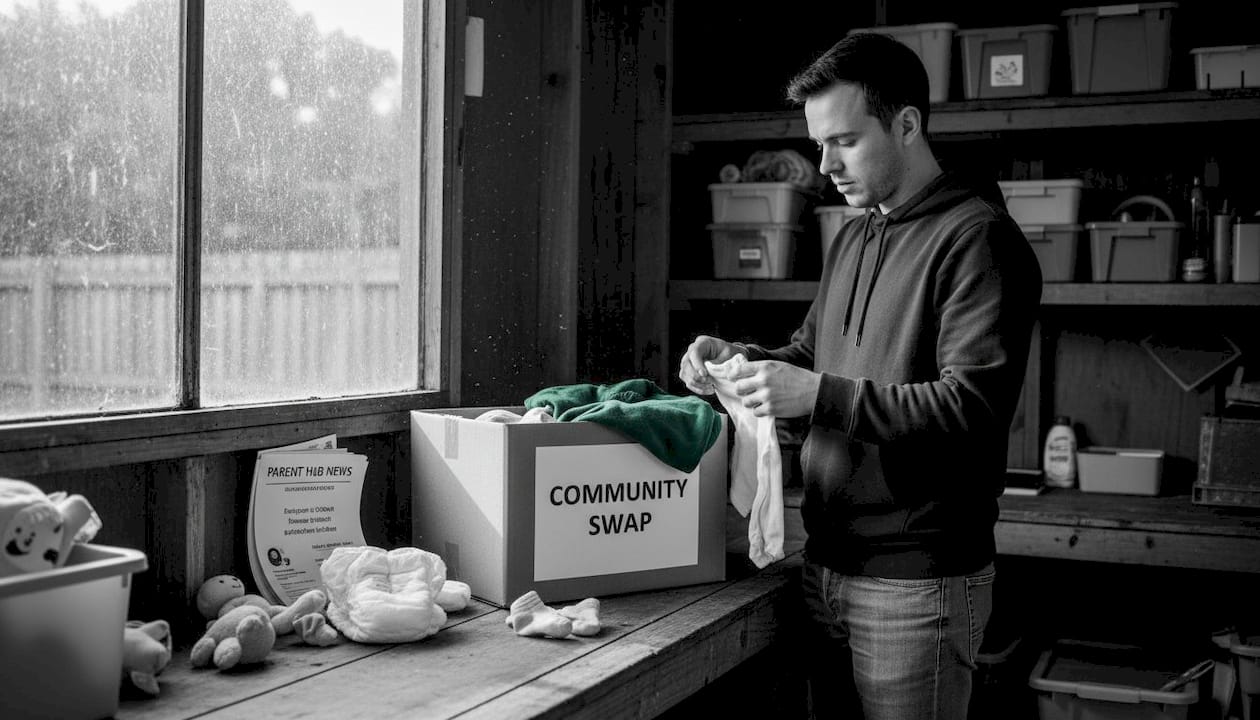
The environmental footprint of raising a child is substantial. Estimates suggest a baby gets through somewhere between 4,000 and 6,000 disposable nappies before they’re toilet trained. Multiply that across families, and the landfill impact is extraordinary. But reducing waste isn’t just about nappies. It’s a mindset that applies across every category of baby shopping.
Choosing durable and reusable items and supporting local Australian brands are two of the most meaningful steps you can take to reduce your carbon footprint while shopping for your baby. These aren’t abstract commitments; they translate into real differences in how much ends up in landfill and how many emissions are generated to get products to your door.
Practical steps for reducing waste in your baby shopping:
Eco wrapping techniques can reduce packaging waste by up to 90% when gifting baby items, which is worth exploring if you’re buying presents for other families as well.
Pro Tip: Before buying new, check local parent buy-swap-sell groups and op shops. Baby items are often barely used because children grow so quickly. Buying secondhand extends product life and costs a fraction of retail, while keeping items out of landfill.
Exploring dedicated reduce and reuse tips gives you a catalogue of practical ideas tailored to Australian parents. And if you’re wondering which products are recyclable at end-of-life, the recyclable baby product guide walks you through what options exist in the Australian waste management context, which differs meaningfully from what applies overseas.
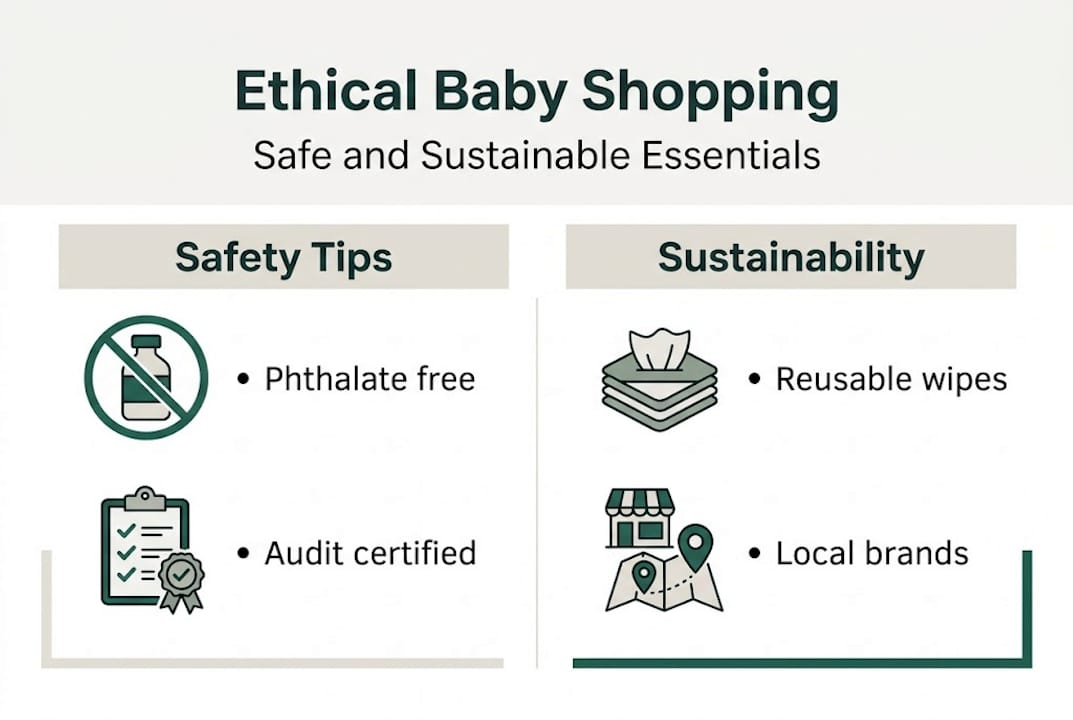
Here is something most ethical shopping content won’t say plainly: the vast majority of products labelled as “eco-friendly” on Australian shelves have never been independently audited. That label costs nothing to print. It communicates nothing verifiable. And yet it consistently drives purchasing decisions because parents want to believe it.
The uncomfortable truth is that true supply chain ethics require demanding third-party certifications and focusing on the full production journey, not just front-of-pack claims. That takes more effort than most brands want to invest, and more scrutiny than most shoppers feel they have time for.
But here’s the reframe: ethical shopping doesn’t mean becoming an expert in global textile standards overnight. It means asking slightly better questions each time you buy. Who made this? What’s in it? Can I verify that? Over time, those questions become second nature. You start recognising which brands earn your trust and which ones are relying on your assumptions.
Durability is the underappreciated ethical dimension. A genuinely ethical product is built to last, which means it costs less per use over time and generates less waste. Choosing safe, sustainable plant-based baby products that are certified and well-made is almost always better value than cheaper alternatives that wear out quickly and need to be replaced.
Ethical shopping is an ongoing practice, not a one-time achievement. The brands, certifications, and evidence evolve. Staying curious and willing to update your approach is what separates genuinely ethical consumers from those who’ve simply found a new marketing category to buy from.
Ready to put this knowledge into action? Hello Charlie has done much of the vetting work for you, curating a range of certified, non-toxic, and eco-friendly baby essentials for Australian families. Every product on the site is chosen with safety and sustainability in mind, so you’re not starting from scratch with each purchase.
From gentle WotNot baby wipes made with just a handful of skin-safe ingredients to the beautifully designed Plan Toys wooden baby play gym made from sustainably sourced rubberwood, there are options across every category that meet a genuine ethical standard. Browse the full range at Hello Charlie and shop with the confidence that comes from real transparency, not just reassuring labels.
Look for credible third-party certifications such as B Corp or GOTS, check supply chain transparency on the brand’s website, and treat vague claims without proof as a red flag regardless of how appealing the packaging looks.
Many conventional baby products still contain phthalates, and Australian cohort data from the Barwon Infant Study links this chemical exposure to neurodevelopmental risks, making non-toxic alternatives an important priority for families.
Prioritise certifications like B Corp and GOTS, which both require rigorous and ongoing independent audits rather than a single one-off assessment, giving you the strongest assurance of genuine ethical standards.
Buying from local brands reduces the carbon footprint of shipping, supports community sustainability, and provides far better visibility into where materials come from and how workers are treated throughout the supply chain.